BinderRadar
How much is my Pokémon card worth? (UK guide)
Most Pokémon cards are worth a few pence, but some are worth a lot more, and two cards that look the same can be priced very differently. Here’s how to find out what yours is really worth in pounds, step by step.
1. Find the exact card
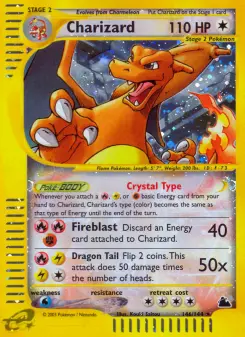
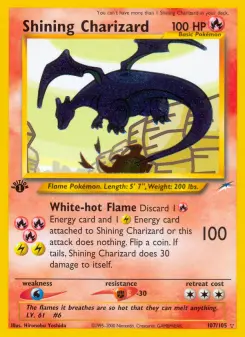
The name alone isn’t enough. Charizard, for example, has been printed many times, and each version has its own price. Look for three things:
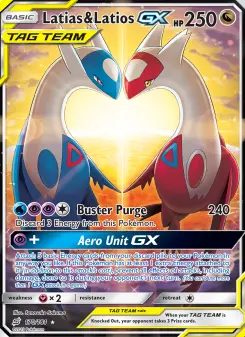
- The card number, usually bottom left or bottom right, like
199/165. A number higher than the set total (the second number) means a “secret rare”, which is often worth more. - The set symbol, a small icon near the number or the artwork. It tells you which expansion the card is from.
- The rarity mark: a circle is common, a diamond is uncommon and a star is rare. Newer cards use extra stars and coloured symbols for special rarities.
The quickest way is to scan the card with your phone camera. BinderRadar matches it and shows its price. You can also search by name on the home page, or look the Pokémon up in the Pokémon A–Z to see every card of it, most valuable first.
2. Check which version you have
The same card can come in different finishes, and they rarely cost the same:
- Holo: the artwork itself is shiny.
- Reverse holo: the artwork is plain but the rest of the card shines.
- 1st Edition: older Wizards of the Coast cards (1999–2003) may have a small black “Edition 1” stamp on the left under the artwork. These usually sell for much more than unlimited copies.
- Promos: a black star or “PROMO” mark means the card came from a box, a tin, an event or a magazine rather than a booster pack.
3. Be honest about condition
Price guides, including ours, are for an ungraded, near-mint copy. That means sharp corners, clean edges, no scratches on the front and no creases. Hold the card under a bright light and tilt it to spot scuffs. Collectors usually describe condition like this:
- Near Mint (NM): looks fresh from the pack, with perhaps one tiny flaw.
- Lightly Played (LP): small white marks on the edges or light surface wear.
- Moderately or Heavily Played: clear wear, bends or creases.
Played cards sell for less than the near-mint guide, and a crease can take a big chunk off the value. Price your card for the condition it’s actually in.
4. Compare more than one price
No single number is “the” price. BinderRadar shows the Cardmarket price (Europe, in €) and the TCGplayer price (US, in $), both converted to £ at the daily ECB rate, so you can see the market on both sides. For a UK sale, it’s also worth checking what the card has actually sold for on eBay UK. Every card page has a “See sold prices on eBay UK” link, which opens eBay’s own sold-items search for that card.
If the Cardmarket and TCGplayer prices are far apart, our card pages flag it. That often means few recent sales, so a listing price could be a long way off.
5. Should you get it graded?
Grading companies such as PSA, BGS, CGC and the UK-based ACE seal the card in a case with a grade out of 10. A high grade can add a lot of value to a card that’s already valuable, but grading costs money and takes time, and a low grade can be worth less than you hoped. It usually only makes sense for cards that are worth a fair amount raw and are in excellent condition. Some card pages show current graded asking prices, so you can compare them with the raw price first.
Quick checklist
- Scan or search the card and match the number and set exactly.
- Check the finish, any 1st Edition stamp and promo marks.
- Judge the condition honestly under a bright light.
- Compare the BinderRadar guide with eBay UK sold prices.
- Only consider grading for valuable cards in top condition.
Planning to sell? See how to sell Pokémon cards in the UK.